Expert insights, practical tips, and evidence-based information to help you take charge of your health and well-being.
Peptides 101: A Consumer-Friendly Guide to What They Are (and Why Everyone Is Talking About Them)
Peptides represent real biology and highly targeted medicine, not just a wellness trend. However, the ultimate benefits and risks depend heavily on the specific peptide being used, the purpose of its use, and whether it is an approved, regulated product.
Functional Medicine Approaches to Improving Mood (Without the Hype)
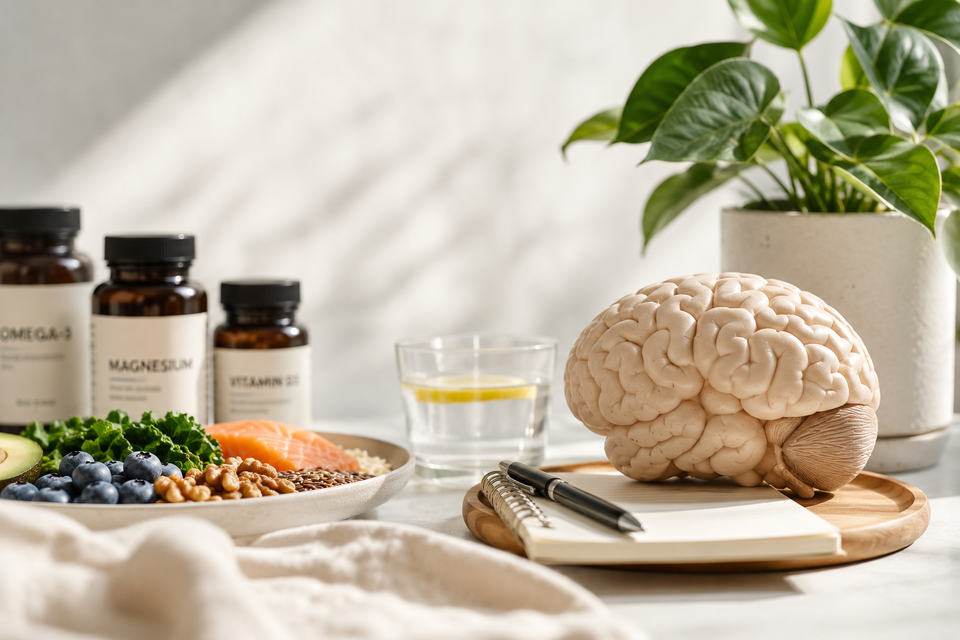
Functional-medicine–style mood support is best framed as evidence-based lifestyle "adjuncts" (diet quality, gut–brain axis support, movement, stress/sleep) that can modestly improve depressive and anxiety symptoms—especially when added to standard care—not as replacements for psychotherapy or medication.
Optimizing Sleep the Functional Medicine Way (Simple, Evidence-Informed Steps)
Evidence-informed nutrition, movement, gut–brain support, sleep, and stress-management strategies may modestly improve symptoms of depression and anxiety—especially when used alongside standard mental health care.
Seasonal Detox: A Functional Medicine–Style “Reset” (Without the Extreme Cleanses)
Many people like the idea of a “detox” at the start of a new season—spring cleaning, back-to-school, post-holidays. In functional medicine, a seasonal detox can be reimagined as a gentle reset: lowering your daily toxin burden (from food, alcohol, smoke, and ultra-processed products) while supporting the body systems that already do detox work every day—your liver, gut, kidneys, skin, and lungs.
Hormones & “Balancing” Them: A Functional Medicine–Style Guide (Without the Hype)
“Hormones” are chemical messengers that tell your body what to do—how to use energy, manage stress, regulate sleep, control your menstrual cycle, and more. When people say they want to “balance hormones,” they often mean they want more stable mood, energy, sleep, weight, cycles, and stress tolerance.
Bioidentical Hormone Therapy (BHT): What It Is, Who It’s For, and What to Watch For
If you’ve seen “bioidentical hormones” advertised as a natural way to feel like yourself again, you’re not alone. The tricky part is that “bioidentical” is used in two very different ways—and that difference matters.
Thyroid Support (Functional Medicine Style): Practical, Evidence‑Informed Steps
If you have hypothyroidism (underactive thyroid), the standard medical treatment is thyroid hormone replacement (most commonly levothyroxine). Lifestyle changes can help you feel better and address contributors like nutrient deficiencies, but they do not replace prescribed therapy when it’s needed.
Lifestyle Optimization + Health Coaching (Functional Medicine Style): How to Make Healthy Habits Stick
“Lifestyle optimization” in functional medicine means working on the daily habits that most strongly affect how you feel—food, movement, sleep, stress, and social support—and using health coaching to turn good intentions into routines you can keep.
Reducing Inflammation the Functional Medicine Way (Safe, Practical, and Sustainable)
Inflammation isn’t always bad—it’s part of how your body heals. The problem is chronic, low-grade inflammation, which can quietly contribute to fatigue, body aches, brain fog, metabolic problems, and higher long-term risk for conditions like heart disease. A functional medicine approach focuses on lowering the “inflammation load” by improving the daily inputs that drive inflammation: food, movement, sleep, stress, smoking, and weight.