What is hyperlipidemia?
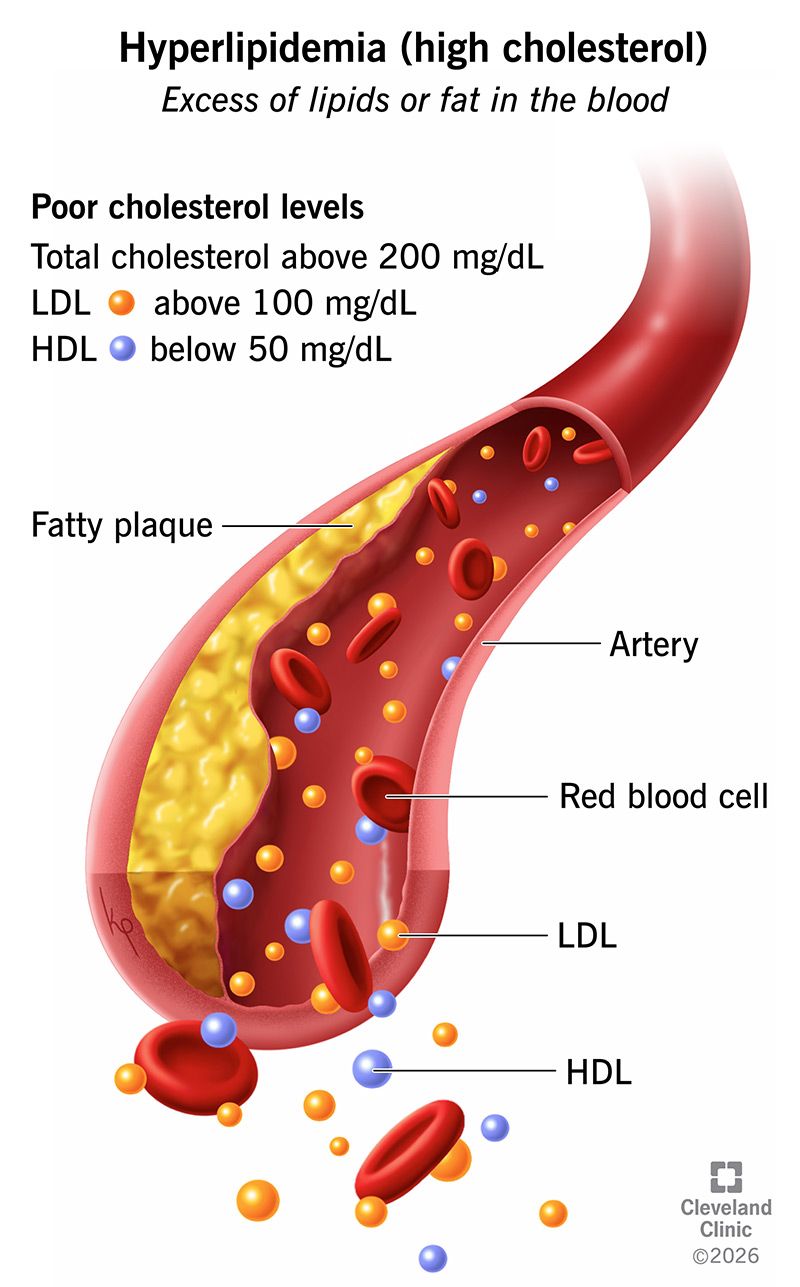
Hyperlipidemia means there are high levels of fats, or lipids, in the blood.
This often includes high LDL cholesterol, sometimes called “bad” cholesterol,
and may increase the risk of heart disease, stroke, and other cardiovascular problems.
What is considered a high cholesterol level?
Cholesterol levels are reviewed based on your total cholesterol, LDL cholesterol,
HDL cholesterol, triglycerides, medical history, and overall heart health risk.
Your provider can explain your results and recommend a personalized cholesterol
management plan.
What causes high cholesterol or hyperlipidemia?
High cholesterol may be caused by genetics, diet, lack of physical activity,
excess weight, smoking, alcohol use, diabetes, thyroid conditions, kidney disease,
certain medications, or a family history of high cholesterol.
Do I need medication for high cholesterol?
Not every patient needs cholesterol medication. Some people improve cholesterol
levels with nutrition, exercise, weight management, and lifestyle changes.
Others may need medication depending on their LDL level, risk factors, and
cardiovascular history.
Can high cholesterol be reversed without medication?
In some cases, cholesterol can improve with dietary changes, regular exercise,
weight loss, improved blood sugar control, smoking cessation, and reducing saturated
and trans fats. Your provider can help determine whether lifestyle changes alone
are enough for your situation.
What are the symptoms of high cholesterol?
High cholesterol usually does not cause obvious symptoms. Many people only find
out through routine blood work or lipid panel testing. That is why regular
cholesterol screening is important, especially if you have risk factors.
How is hyperlipidemia diagnosed?
Hyperlipidemia is diagnosed with a blood test called a lipid panel. This test
typically measures total cholesterol, LDL cholesterol, HDL cholesterol, and
triglycerides.
How often should I have my cholesterol checked?
How often you need cholesterol testing depends on your age, health history,
current cholesterol levels, medications, and risk factors. Patients with diabetes,
high blood pressure, heart disease, or a family history of cholesterol problems
may need more frequent monitoring.
What foods help lower cholesterol?
Foods that may support healthy cholesterol levels include vegetables, fruits,
oats, beans, lentils, nuts, seeds, fish, olive oil, and high-fiber foods.
Limiting fried foods, processed foods, sugary foods, saturated fats, and trans fats
can also help.
What are the risks of untreated high cholesterol?
Untreated high cholesterol can contribute to plaque buildup in the arteries,
increasing the risk of heart attack, stroke, peripheral artery disease, and other
cardiovascular complications.